
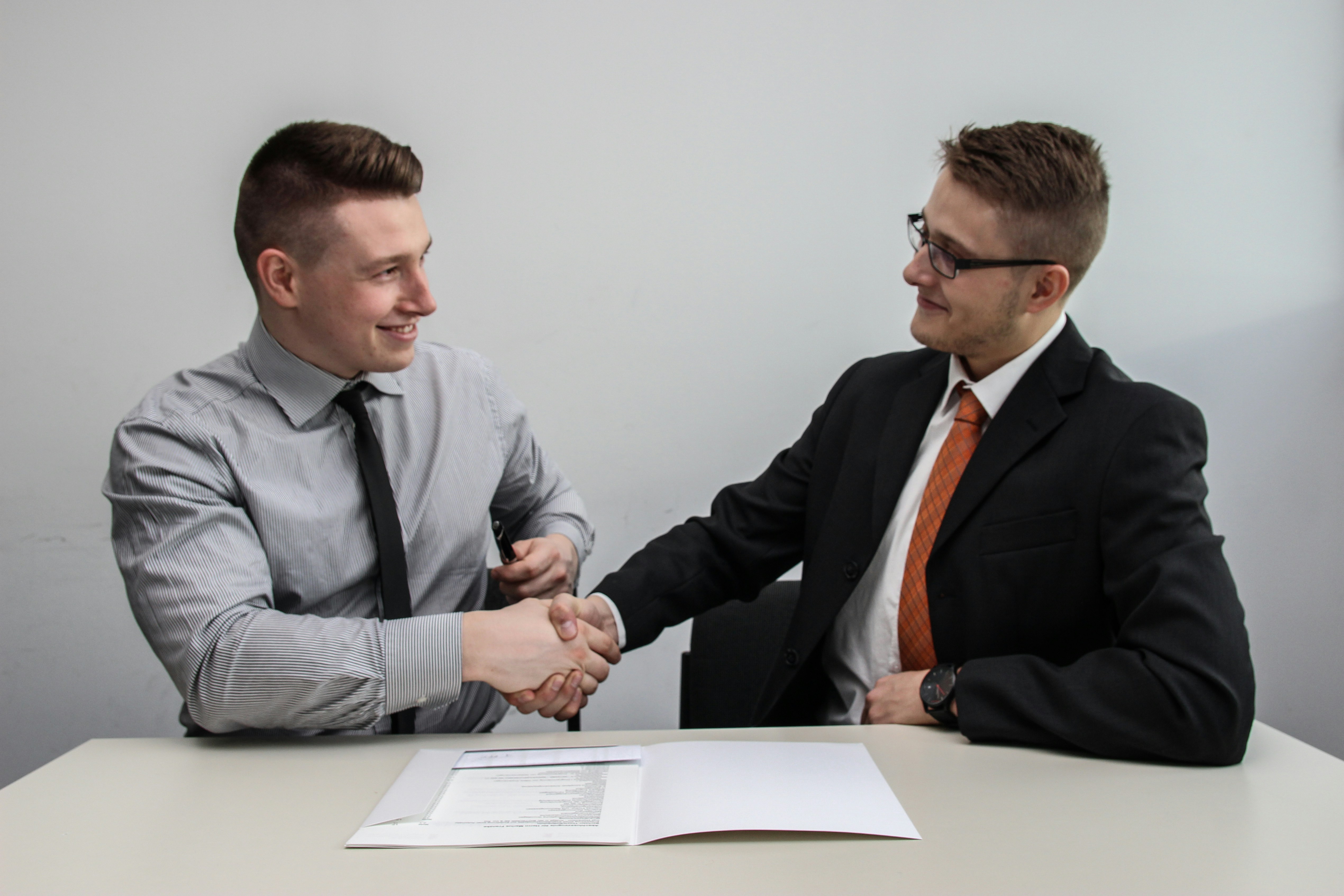
Here’s what I’ve watched actually save a negotiation, more than any number ever has: one side asking the other a real question and sitting still long enough to hear the answer. Not “can we split the difference.” Something more like, “help me understand why that number matters to you,” or “what are you actually worried about here.” Buyers and sellers aren’t adversaries who happen to be negotiating. They’re two people trying to get to the same place from two different starting points, and the fastest way there is understanding the other one’s map, not out-arguing it.
Here’s the thing nobody tells you going into a negotiation: the number was never really the problem. It just felt like the problem, because it was the easiest thing to point at. I’ve sat across the table enough times to know that “can we just split the difference” is the phrase people reach for when they’ve run out of patience, not when they’ve run out of options. It works, sometimes. It ends the standoff. But it also treats a disagreement like a math problem, and most of the time, it isn’t one. It’s two people who haven’t actually said out loud what they need.
So let’s talk about what’s really on the table, because it’s rarely just the price. It’s the price, it’s the people, and it’s the handoff. What happens to the manager who’s been there twelve years and doesn’t know yet whether she has a job in six months? How long does the seller stick around after closing, and is that a gift to the new owner or a slow, uncomfortable goodbye? Who tells the staff, and when? None of that shows up on a spreadsheet, and all of it can sink a deal that looked perfect on paper.
That’s the whole case for asking better questions instead of better offers. A good question does something a counteroffer can’t: it finds out what the other person actually needs, instead of guessing at it and hoping your guess is close enough to compromise around. Sometimes what looks like a fight over price is actually a fight over timeline, or over who gets to tell the story of how the business changed hands. You don’t find that out by negotiating harder. You find it out by talking.
This is exactly where an experienced guide earns their keep, and it isn’t by being a better arguer than either side. It’s by keeping the conversation honest when emotions start running the room, which they will, because selling or buying a business is personal no matter how many spreadsheets are involved. Someone who’s sat in that seat before can ask the question either side is too close to ask themselves, and can tell the difference between a real sticking point and a proxy for something nobody’s said yet.
The deals that actually close aren’t the ones where somebody won. They’re the ones where both sides found the piece of common ground they didn’t know they already agreed on. That takes a conversation, not a concession.